
Unless you live under a rock (no shame tho), you have most likely heard about the back and forth worldwide debate about vaccines. Vaccines are shots given in efforts to immunize an individual from certain fatal diseases. Most vaccines introduce the patient’s immune system to a latent or weakened form of a pathogen. When your body is exposed to a pathogen, it will “remember it”, make antibodies, and be able to fight it off if it is ever reintroduced to the body. AKA vaccines help you to not die from some viruses or bacteria.
The controversy lies between two opposing beliefs. Some people think vaccination is a precious innovation and the only route to go. Others are hesitant to give their children vaccines due to their belief of harmful repercussions. Whether you are pro or anti-vax, we can all agree on one thing– we want to live a long and healthy life; the mechanism for such a life, however, is the topic of debate.
The Reason For Hesitancy
The reason why so many people are hesitant to vaccinate their children is because of distrust in the healthcare system. According to a recent NPR article, many parent’s simply do not trust “mainstream medicine” and believe it should be questioned. The article includes an interview between a medical anthropologist and an anti-vax parent. This vaccine-hesitant parent, and I assume most others, does not believe in following the crowd but rather doing research and making decisions based on their best judgement. While I do respect this level of wokeness, when it comes to vaccines and a person’s health, the benefits outweigh the potential harms.
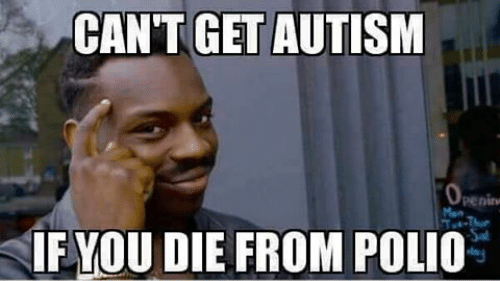
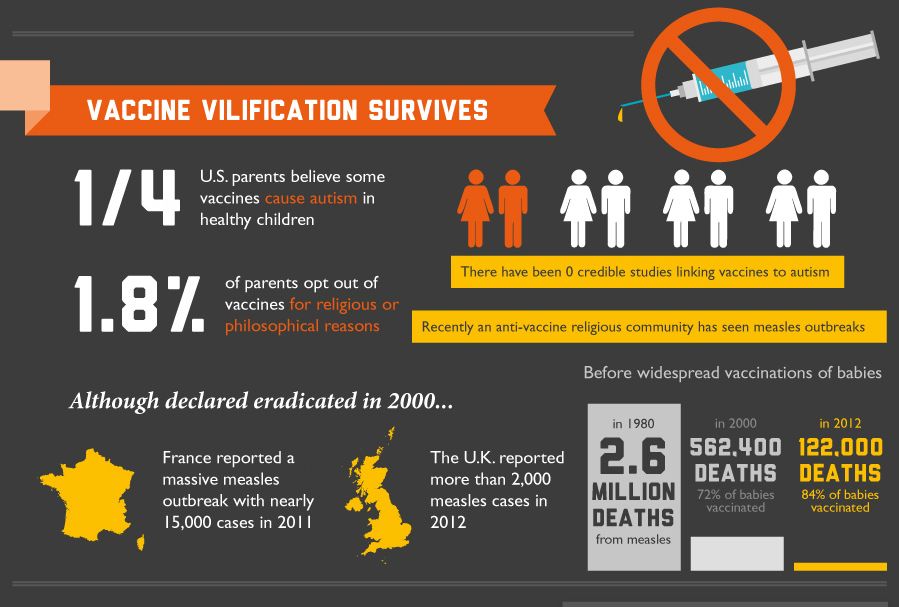
Speaking of potential harms, vaccine hesitation arises from lots of debate regarding potential “side effects”. Autism is the primary concern among hesitant parents who believe there is a link between vaccination and brain development. Medicine has time after time debunked this myth. According to an article on The Hill, there has been no connection found between autism and vaccines (specifically the controversial MMR vaccine). The article mentions that even isolated population-based studies have shown there to be no decline in the rates of autism in the absence of vaccines. Simply, prenatal development and other genetic components cause autism, not a measles vaccine. Still, many skeptical parent’s aren’t taking the chance. Some people even opt out of childhood vaccinations due to religious reasons.
The Comeback of Measles?
According to a recent BBC article, The World Health Organization reports a 30% worldwide rise in the rates of Measles over the past couple years. This is thought to directly correlate with rising hesitancy towards vaccines. This makes sense. Those who have access to vaccines but don’t get them will increase their own risks of the illness (i.e, Measles) and therefore increase the spread to others. In the case of Measles, a life-threatening and extremely contagious viral infection, there has been an increase in incidents in the U.S, Europe, and Russia specifically, according to the BBC article. I believe that those who have access to vaccines, like many of these first-world countries, should take advantage of it! I know these numbers would decrease if only people took advantage of their privileges.
To combat this rising issue of vaccine hesitancy, many small steps must be taken. According to a Frontiers article, media and television is the most effective way to get any word out. I have even noticed stations are make more of an effort to broadcast educational discussions about vaccines in efforts to combat hesitancy. The same article also mentions how millennials tend to be more in favor of vaccines and modern medicine in general, so targeting millennials and getting them on board can be a promising long-term solution to vaccine hesitancy. The article also mentions how Herd Immunity is a huge reason to get more people vaccinated. Getting many people vaccinated can positively impact even those without access to advanced healthcare. In my opinion, it doesn’t matter how much money or effort it will take to promote vaccination, it should be done for the sake of the world as a whole.

 Microbiology for Smarties