
Yes, you read that correctly. And yes, it’s true. The poop of a healthy individual could potentially save the life of a patient fighting a severe gastrointestinal disease. Your poop is more important than you think! Here’s what I mean by that…
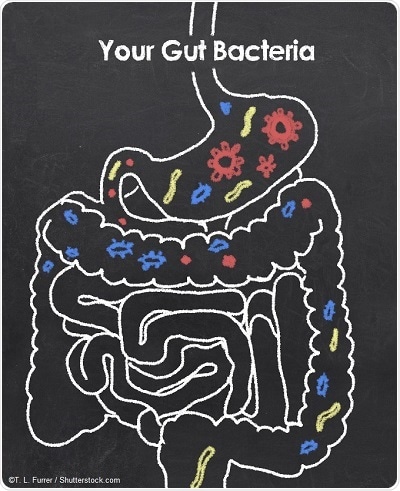
As we have discussed in class, we humans have billions of tiny microorganisms, mainly bacteria, living in our gut in a community called a “microbiota”. For as much as we love to hate bacteria, these ones actually help us survive. They take on essential roles like Vitamin K and B synthesis, and digestion. Without them, our health would suffer. That’s where FMT, or Fecal Microbiota Transfer, comes in. According to an article on WebMD, FMT is the process of taking healthy feces loaded with “good” microbiota and transferring it to a patient with an illness that has eliminated their healthy microbiota. By doing this, healthy microorganisms are represented in the gut of ill individuals. The same WebMD article discusses the story of a young girl battling Crohn’s disease, an intestinal illness. Years after an FMT, her symptoms seemed to have resolved. Sounds great right? I think so. My only concern is how long this magical “cure” will last, or if there’s a catch. I am very curious as to how this girl’s story will unfold 5 or 10 years from now. Regardless, this poop-y innovation is pretty freakin awesome.
Which Diseases Can Poop Treat?
Unfortunately, poop is not the simple answer to all diseases. Along with Crohn’s disease, FMT has been known to successfully treat Clostridium difficile infections (CDIs), according to an NCBI journal. The journal describes the successful FMT treatment of ten patients with recurring CDI. Because both CDI’s and Crohn’s are problems related to the bowels and the diminishing of microbiota, it can be assumed that other stubborn illnesses could also be treated with FMTs. This could include severe Gastric Ulcers, E. coli gastroenteritis, or Salmonella infections, all of which harm the gastrointestinal tract. Obesity could also possibly be helped with microbiota manipulation; healthy gut microbiota is known to play a productive role in obese patients, according to a journal by the European Journal of Clinical Nutrition. Basically, any disease that harms the body’s natural gut microbiota seems fair game for a fecal transfer; however, a FMT may do more harm than good on some diseases so testing is necessary.
Although fecal microbiota transfer is a fairly new and uncertain concept in the medical world, I think the idea sounds very promising. The articles and journals I have read give me the impression that this is a fairly harmless yet beneficial procedure. But again, there are still many questions left unanswered. The best method of giving the transplant is still unknown (pills or injections or colonoscopies or who-knows-what). Future implications from this transfer are not certain. The justification of this approach as oppose to other available medication is still unknown. Hopefully with time, these answers can be solved and innovate the future of healthcare.
CRAAP!
CRAAP is a funny acronym that describes the general guidelines to follow when selecting informational sources. CRAAP stands for current, relevant, authoritative, accurate, and purpose. These are meant to be questions you ask yourself about the source to determine whether or not it is reliable and should be used. Professors usually make us (students) abide by the rules of CRAAP to ensure we are spreading the correct information. In a world full of fake news and sketchiness, CRAAP is here to help!
I believe all my sources used in this post abided by CRAAP standards. My information was pulled from a scholarly journal (EJCN), a nationally recognized site (NCBI), and WebMD, a source that is credible and endorsed by many professionals; therefore, they all seem very authoritative. All my sources were relevant to my topic and contained information I used to further the my discussion. My sources were all posted in the last six months, making them current. Finally, there is no bias language or information that I could sense in any of these sources. The sole purpose of these articles is to inform the reader and provide information/statistics on current medical findings.

 Microbiology for Smarties